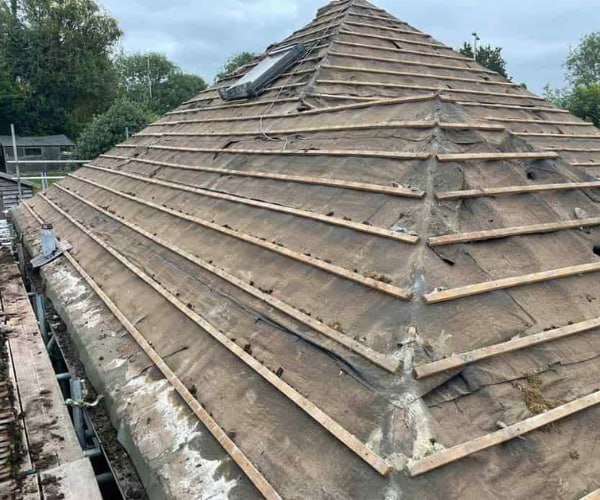
Why Ridge Tile Maintenance Is Important for Roof Stability in Adwick Le Street, South Yorkshire
Ridge tiles form an important part of a pitched roof, protecting the highest point where two roof slopes meet. Although they are often overlooked during routine property maintenance, their condition has a direct impact on the roof’s ability to remain secure and weather-resistant. Loose, cracked or deteriorating ridge tiles can leave the roof vulnerable to water ingress and may eventually affect the stability of surrounding components.
For homeowners in Adwick Le Street, South Yorkshire, regular ridge tile maintenance helps identify developing problems before they lead to more extensive roofing defects. Understanding how ridge tiles work, what causes them to deteriorate and when repairs may be needed can help protect the property over the long term.
How Ridge Tiles Contribute to Roof Stability
Ridge tiles sit along the peak of a pitched roof, covering the joint between the two adjoining slopes. They provide an important protective barrier against rainwater and help secure the upper edges of the roof covering.
Depending on the roof’s construction, ridge tiles may be fixed using traditional mortar bedding, mechanical fixings or a combination of methods. Each system needs to remain in good condition to provide reliable protection.
When ridge tiles become loose or damaged, gaps can develop along the roof’s highest point. Wind-driven rain may enter these openings, potentially affecting the roof space and underlying materials. Loose tiles can also become unstable during strong winds, creating a risk of sections becoming displaced.
Common Problems That Affect Ridge Tiles
Deteriorating Mortar Bedding
Traditional ridge tiles are often bedded and pointed using mortar. Over time, exposure to rainfall, frost and temperature changes can cause the mortar to crack, crumble or separate from the tiles.
As the bedding deteriorates, ridge tiles may begin to move or lift. Small gaps can then allow moisture to enter beneath the ridge, increasing the likelihood of further damage. Repointing may be appropriate where the tiles remain sound and securely positioned, although more extensive deterioration may require additional repair work.
Loose or Displaced Ridge Tiles
Ridge tiles can become loose due to failing mortar, damaged fixings or repeated exposure to strong winds. Even slight movement should not be ignored, as it may indicate that the tile is no longer securely attached.
A displaced ridge tile can expose the roof junction beneath it and leave neighbouring tiles more vulnerable. Prompt attention helps restore the protective covering and reduce the risk of further movement.
Cracked or Broken Tiles
Physical damage can occur through ageing, weather exposure or previous roofing work. Cracks may allow water to penetrate the tile, while broken sections can leave gaps along the ridge.
Damaged tiles should be assessed to establish whether they can be securely repaired or need replacing. Simply leaving a cracked ridge tile in place may allow the defect to worsen.
Failed Mechanical Fixings
Some modern ridge systems use mechanical fixings to hold tiles in position. These components can deteriorate, loosen or become damaged over time.
A problem with a fixing may not always be obvious from ground level, but it can affect the security of the ridge. An inspection should consider the condition of the fixings as well as the tiles themselves.
How Weather Conditions Can Affect Ridge Tile Condition
Ridge tiles are exposed to changing weather throughout the year. Wind can place pressure on tiles and their fixings, while repeated wetting and drying may gradually weaken mortar joints.
During colder periods, moisture that has entered small cracks can freeze and expand, potentially making existing defects worse. Temperature changes can also contribute to movement between roofing materials.
For properties in Adwick Le Street, these conditions make it important to address visible ridge tile deterioration rather than waiting for a leak or a displaced tile to develop.
Warning Signs That Ridge Tile Repairs May Be Needed
Although a close inspection from roof level is often necessary, several warning signs may be visible from the ground or inside the property.
Look out for:
- Ridge tiles that appear uneven or out of alignment.
- Cracked, missing or crumbling mortar along the roof peak.
- Visible gaps beneath ridge tiles.
- Tiles that appear loose or displaced.
- Pieces of mortar or roofing material found near the property.
- Damp patches or water staining in the roof space.
These signs do not always indicate the same underlying problem. A professional assessment can establish whether the issue involves mortar deterioration, failed fixings, damaged tiles or another roofing defect.
The Benefits of Regular Ridge Tile Maintenance
Maintaining ridge tiles helps preserve the protective structure of the roof and reduces the likelihood of water entering through the upper junction. It can also prevent minor defects from spreading to neighbouring tiles or surrounding roof components.
Regular inspections are particularly useful after severe weather or when a roof has not been checked for an extended period. Identifying loose tiles and deteriorating mortar early allows suitable repairs to be planned before the damage becomes more extensive.
Homeowners should avoid climbing onto the roof to inspect ridge tiles themselves. Working at height presents significant risks, and disturbing loose tiles can make the situation worse. A qualified roofing specialist can carry out the necessary assessment safely.
Ridge Tile Repairs from ES Roofing Adwick Le Street
Effective ridge tile repairs require more than simply replacing visible mortar or repositioning a loose tile. The condition of the surrounding ridge, the existing fixing method and any signs of underlying damage should all be considered.
ES Roofing Adwick Le Street can help identify ridge tile problems and carry out appropriate roofing repairs to restore the security and weather resistance of the roof. Whether the issue involves deteriorating mortar, damaged tiles or loose ridge sections, addressing the underlying cause is essential for a reliable result.
Conclusion
Ridge tile maintenance plays an important role in preserving roof stability and protecting a property from water ingress. Cracked mortar, loose fixings, displaced tiles and visible gaps can all indicate that the ridge requires attention.
For homeowners in Adwick Le Street, South Yorkshire, recognising these warning signs early can help prevent further deterioration and maintain the condition of the roof. If you have concerns about loose or damaged ridge tiles, contact ES Roofing Adwick Le Street to arrange a professional assessment and discuss suitable repairs.
Call us on: 01302 490 482
Click here to find out more about ES Roofing Adwick Le Street
Click here to complete our contact form and see how we can help with your roofing needs.